Abstract
What you need to succeed in a startup with zero customers is different from what you need when you have a few thousand, and this changes many times as the company grows. Some of these changes are code and architectural changes, some are organizational changes, and some are mindset shifts. The one constant is that things will need to change. As a staff plus engineer in a smaller company, while you may be working with fewer engineers and fewer systems than you would be at a larger company, you have a huge impact on whether the company succeeds or fails.
Having navigated this transition a few times now at largely B2B companies, I will talk through some of the lessons I've learned working at a tiny startup (failed), Box (Series D through going public and beyond), Split (Series B through an acquisition), and now at Imprint (Series C and still going). I will talk through deciding if and when things need to change, how to get people aligned with the change, and continual evaluation of progress. While I will focus on the startup to platform transition, the skills and observations are universal for navigating change.
Speaker

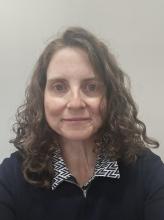
Joy Ebertz
Principal Engineer @Imprint, Blogger, and Speaker, Previously @Harness, @Split, & @Box
Joy is a Principal Software Engineer at Imprint where she is currently trying to detangle their configuration. She is a primarily backend focused developer with extensive experience in configuration, microservices architecture, revamping authorization frameworks, creating REST API standards, audit logging and more. Prior to Imprint, she has worked at Harness, Split, and Box in Staff+ roles. In addition to designing software and writing a lot of code, she also maintains a blog: joy.ebertz.run/blogs.html (with both career and technical topics). In her free time, she does a lot of traveling, reading, and running ridiculously long distances (mostly on trails).