

Most AI coding demos are greenfield theater. Your real work isn't. It's a 12-year-old codebase with patchy tests, a tangle of frameworks from three eras, and conventions nobody can fully explain. Independent research shows AI tools can actually slow experienced engineers on exactly this kind of code, unless the harness around the model is built deliberately.
This six-hour, hands-on tutorial teaches harness engineering: the discipline of designing everything around a coding agent that isn't the model itself. You'll work in a pre-instrumented legacy sandbox, adding real features with Claude Code while a live dashboard tracks coverage, complexity, and code health on every commit. The goal isn't faster output. It's confident, repeatable change you can defend with metrics.
Across three arcs and six tasks, you'll bootstrap a project harness with instructions, skills, and curated tools, add features behind a characterization-test safety net, and externalize the harness so your team gets the benefit, not just one engineer. We use Claude Code as the anchor. The principles transfer to Cursor, Copilot, and any agent that follows.
You'll leave with a one-page Monday-morning plan for your own brownfield repo, working examples of every harness component, and an honest framework for measuring whether AI is actually making your codebase better.
For engineers, tech leads, and architects already using coding agents and ready to take them seriously in production code.
Key Takeaways
1 Build the strategic context of AI-native Development at the enterprise level and articulate a case for Harness Engineering
2 Educate on key concepts and principles of Harness Engineering
3 Practice hands-on harness engineering skills across 5 iterations, including reflections - 4.5 hours
Speaker
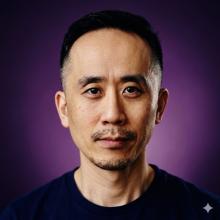
Zichuan Xiong
Head of AIOps @Thoughtworks
Zichuan Xiong has been a Principal at Thoughtworks since 2008, currently leading the AI practice within Thoughtworks Managed Services, where he architects agentic AI solutions for software operations. He partners with Chief AI, Data, and Technology Officers to translate emerging AI capabilities into measurable business impact across technology and product organizations. His core expertise spans AI, Domain-Driven Design, Data Mesh, and organizational design and transformation.
Speaker

Premanand Chandrasekaran
Head of Technology @Thoughtworks
Premanand (Prem) Chandrasekaran is a technology leader and change agent with a solid track record of leading large technology teams and helping businesses deliver mission-critical problems while exhibiting high internal and external quality. In the past two decades, he has had the pleasure of helping a variety of clients and domains ranging from financial services, online retailers, education, and healthcare startups among others. His specialties include technical innovation, architecture, continuous delivery, agile/iterative transformation and employee development. When not fiddling with his trusty laptop, he spends time with his son ripping beyblades, playing video games and analyzing the nuances of cricket.


